by Julanne Sausser | May 5, 2026 | Uncategorized
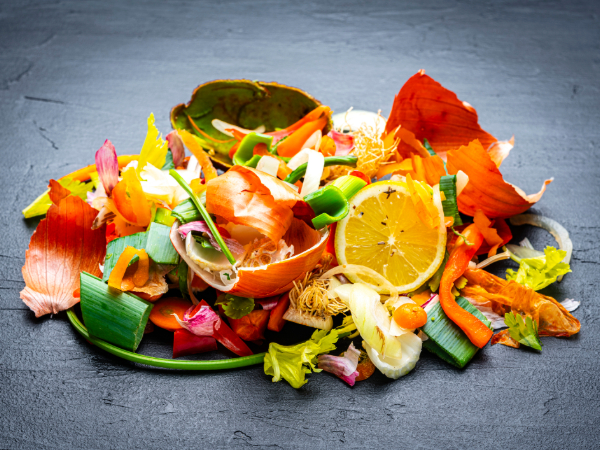
While total food waste remains high in the U.S., ReFED’s annual study of wasted food, Progress on the Plate: 2026 U.S. Food Waste Report, found that surplus food decreased to 70 million tons in 2024. This is a 2.2% reduction from 2023 and slightly more than a 3.7%...
by Julanne Sausser | Apr 28, 2026 | Uncategorized
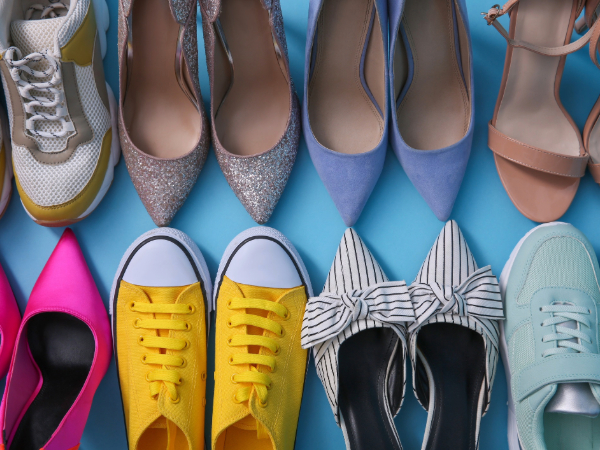
Depending on the report you read, the average person in the U.S. owns anywhere from 12 to 19 pairs of shoes and buys 5 to 7 new pairs every year! Sadly, only about 15% of all the unwanted old shoes and clothes are donated or sold. If you find yourself with too many...
by Julanne Sausser | Apr 21, 2026 | Uncategorized
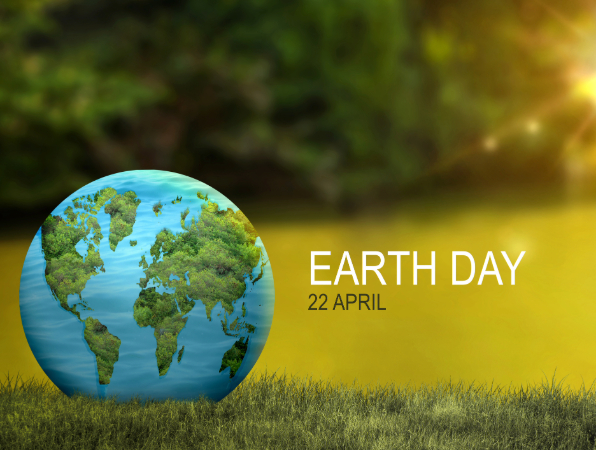
By the mid-20th century, pollution had become so severe that it required attention in the United States. In 1969, Gaylord Nelson, a U.S. Senator from Wisconsin, got the idea for a national event to address the pollution problem and the need for change. On April 22,...
by Julanne Sausser | Apr 14, 2026 | Uncategorized
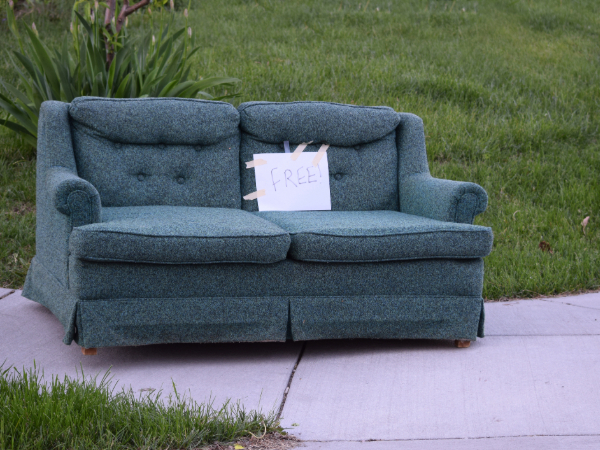
Residential sidewalks are often lively with people coming and going and all kinds of activity. Most of the activities are appropriate, but some are not in keeping with the overall goals of unhindered passage and litter-free streets. Sometimes, a garage sale spills...

by Julanne Sausser | Apr 7, 2026 | Uncategorized
If you’ve ever tossed an empty orange prescription bottle into your curbside recycling cart, you’re not alone—but it’s important to know these containers cannot be recycled through standard curbside programs. Their small size, bright orange color, and type of plastic...
by Julanne Sausser | Mar 31, 2026 | Uncategorized
Or any event you host — and make it green! Maybe you aren’t hosting something as big as the NCAA’s Division 1 basketball championships, but the green goals set for this year’s event in Indianapolis can be adapted by communities of all sizes....