
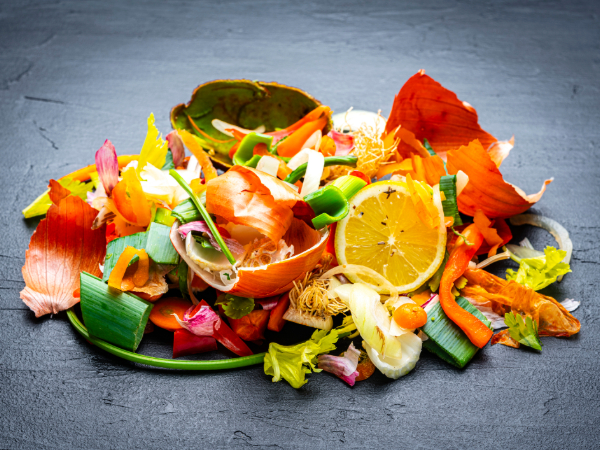
While total food waste remains high in the U.S., ReFED’s annual study of wasted food, Progress on the Plate: 2026 U.S. Food Waste Report, found that surplus food decreased to 70 million tons in 2024. This is a 2.2% reduction from 2023 and slightly more than a 3.7% decrease per capita. Their study found that this decrease was driven by a nearly 950,000-ton reduction in residential food waste. The report also shows that this is the first reduction since the slight decrease that occurred in 2021 during COVID-19.
In ReFED’s April 7, 2026 media release, Dana Gunders, president of ReFED, said, “This is an opportune moment to focus on wasting less food. With higher food prices, Americans are looking for ways to extend their grocery dollars. Using up more of what they’re already purchasing and wasting less is proving to be one of the most accessible ways to do it. At the same time, food waste reduction is recognized as a business decision with material impact on the bottom line for food businesses, which are elevating the issue to the C-suite and boardroom. The wind is at our backs, and it’s time to step on the gas.”
Even with this step in the right direction, consumers waste close to 35 million tons of food annually, costing them $261 billion, or nearly $800 per person, per the report’s findings. All food waste combined totals more than 70 million tons, almost a third of the U.S. food supply.
Waste Not
So, what can we do to keep making progress in food waste reduction? Here are a few tips to help reduce food waste in our homes and keep it out of landfills.
- Only purchase what you need and can use. It is tempting to buy the larger amount at a lower cost per pound, but if you cannot use or store what you purchase before it goes bad, it becomes wasted food.
- Store food properly. Do you know which fruits go in the refrigerator and which can last on the counter? Are your onions and potatoes stored separately from each other? How you store your food affects how long it lasts, so you want to make sure produce is stored correctly to help extend its life. To learn how to store any food best, visit Save The Food and select the food category you want to learn more about.
- Jazz up your meal prep. Are you tired of making and eating the same meals? Shop your pantry, fridge, and freezer for items that have been pushed to the back and forgotten, and then search for new recipes to match what you have on hand. Search online for the ingredients plus “recipe,” and you may find a new family favorite.
- Incorporate your scraps. Using up all of the food you have stretches your grocery shopping dollars and reduces your food waste. Search online for “cooking with scraps” for creative recipes that use up all of the food you buy, including the scraps and peels.
- Be sure to compost. Sometimes, we don’t eat food fast enough. Compost your fruit and vegetable scraps in a backyard compost bin or pile instead of tossing them. For composting tips, check out Simple Steps to Backyard Composting.
Image credit: fcafotodigital | E+ | Getty Images