
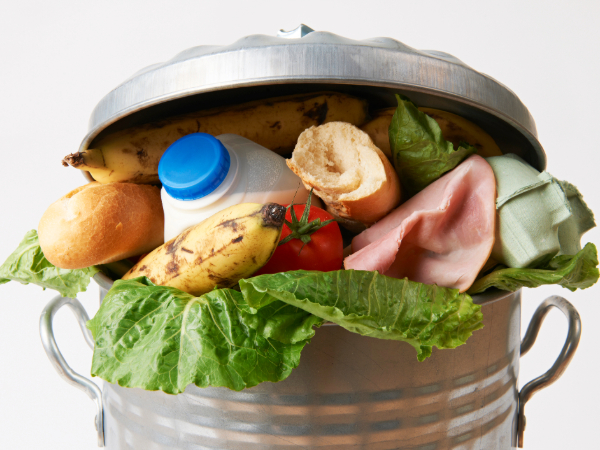
In the United States, food waste continues to climb despite growing awareness of its economic and environmental toll. According to ReFED’s most recent report, “From Surplus to Solutions: ReFED 2025 U.S. Food Waste Report,” consumers throw out nearly 35 million tons of food every year, an amount that costs households an estimated $261 billion. Producers and businesses generate another 21.5 million tons of surplus food, representing $108 billion in lost revenue. These figures underscore how food waste ripples across the economy, impacting households, businesses, and even the global climate.
One major driver of this waste is confusion around food labels. Nearly half of Americans report tossing items that are near or just past their printed dates, even though many of those foods are still safe to eat. The result is that extra food valued at $382 billion in 2023 went uneaten, compared to $299 billion in 2016. ReFED projects this trend will continue, with the value of wasted food rising in the years ahead due to higher labor costs and supply chain pressures.
The environmental costs are equally significant. When we waste food, we not only throw away the money we spent but also the resources used to produce it, such as water, energy, and labor. This waste contributes to larger environmental issues, such as the release of greenhouse gases from decomposing food in landfills.
At home, families can take small steps that add up to meaningful change. Reducing food waste starts in the kitchen with thoughtful planning and careful shopping. Writing down meals for the week, buying only what you need, and storing food properly helps extend its life and ensures it gets eaten. Understanding that date labels often signal peak quality rather than safety can also prevent unnecessary waste. These habits not only stretch food budgets but also lessen the environmental impact of what we eat.
Wasted food is more than just scraps in the trash; it is money lost, resources consumed, and emissions produced. By making simple adjustments at home and becoming more mindful of what we buy and how we use it, we can reduce waste while supporting a healthier environment.
For more tools and resources on reducing waste, visit SaveTheFood.com. Click here to read the full ReFED report.
Image credit: MachineHead | iStock | Getty Images Plus