
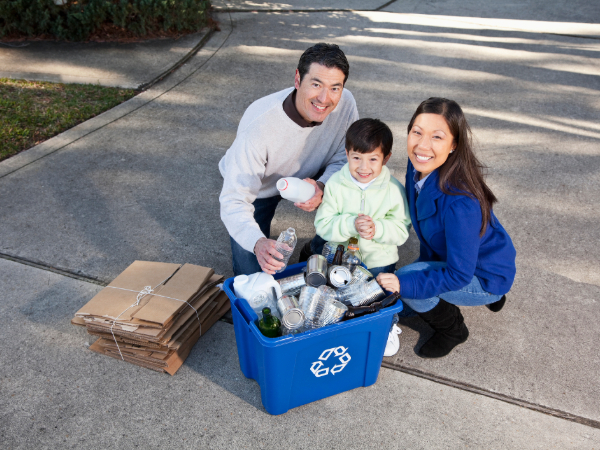
Recycling contamination might seem like a minor issue, but its effects are widespread, impacting the environment, economy, and sustainability efforts. When non-recyclable items end up in recycling bins, they can ruin batches of recyclables, forcing them to be sent to landfills. This not only wastes valuable resources but also makes recycling less effective and contributes to the growing problem of overflowing landfills.
Contamination also poses risks to recycling facilities and workers. Hazardous materials, such as chemicals or sharp objects, can cause injuries or damage to equipment during the sorting process. These incidents not only endanger workers’ safety but also incur additional repair costs.
To mitigate the negative effects of contamination, take simple steps to ensure proper recycling practices. Start by labeling bins clearly inside your home to remind you of what can and cannot be recycled. Simple, visible labels can make a big difference in preventing mistakes. When recycling bottles and other containers, make sure they are empty, clean, and dry. Remove excess residue, rinse them out, and allow them to air-dry before placing them in the bin. Check whether lids can be returned with the item for recycling. If so, secure it back on before placing it in the bin or cart. Knowing which plastics can be recycled is essential. Check with your local solid waste authority to see which plastics are accepted in your community’s programs.
Recyclables should always be placed in the bin loose, not in bags. Keeping materials unbagged allows for efficient processing at recycling facilities. It helps to crush metal cans and plastic bottles and break down and flatten cardboard boxes to save space in the bin or cart. Dirty recyclables, greasy pizza boxes, and especially diapers should be disposed of in the trash rather than placed in the recycling bin. Be sure to check your local recycling program guide to determine what can be placed in your collection container before tossing in a contaminant. For more, read The Cost of Contamination.
Image credit: kali9 | E+ | Getty Images